
How to Seed Your Yard for the Fall
Posted on Monday Sep 22, 2025 at 06:00AM in Lawn and Garden
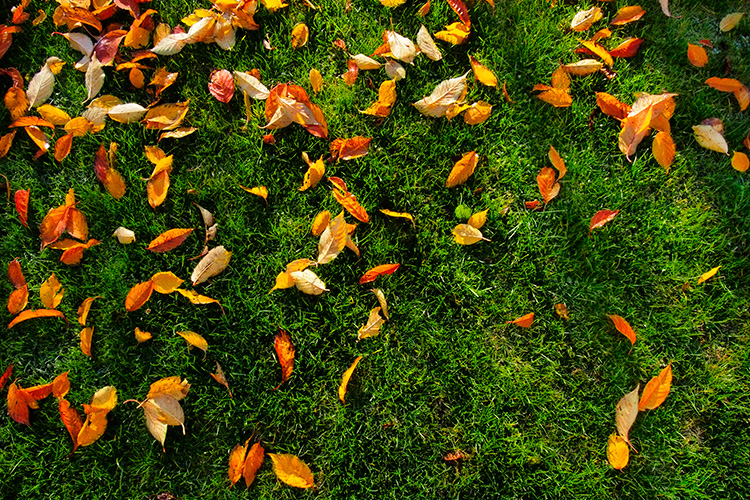
Seeding your lawn in the fall is one of the best ways to encourage thick, healthy grass for the next growing season.
Cooler temperatures, shorter days, and more consistent rainfall create ideal conditions for grass seed to germinate and establish strong roots before winter. However, much of Tennessee hasn’t seen significant rainfall in weeks. More than half the state — from west to middle Tennessee — is in a drought condition, according to the U.S. Drought Monitor.
Kentucky is in a similar situation, with large swaths of southwestern Kentucky in a drought as well.
Pick the Right Time
Timing for seeding your yard will matter to make it lush. The best window is usually right, which is late summer through mid-fall. This is when the soil temperatures are still warm, but air temperatures are cooler.
You should aim for four to six weeks before the first hard frost in your area.
Choose the Right Seed
Select a seed blend suited to Tennessee and your own yard conditions, whether that be in the sun, shade, or a mixture.
Cool-season grasses like fescue, ryegrass, and Kentucky bluegrass thrive with fall planting. You can find a fall seed that you like inside our stores.
Prepare Your Lawn
You know the saying: mow low. Cut your grass shorter than usual (about 2 inches) so the seed reaches the soil.
Remove leaves, sticks, and built-up thatch. This ensures seeds contact the soil directly.
You should aerate, as well. Core aeration loosens compacted soil, improves water and nutrient absorption, and helps seed establish.
Apply a starter fertilizer high in phosphorus to support root growth. You can find that, too, inside our stores.
In bare areas, consider covering with a thin layer of compost, peat moss, or straw to retain moisture and protect seed.
What You Do After
You will need to maintain and protect your grass after you fertilize, aerate, and seed your lawn.
Avoid heavy foot traffic on newly seeded areas. Don’t mow until the grass reaches 3 to 4 inches high.
But, you should continue removing fallen leaves so they don’t smother seedlings.
Comments are closed for this entry.